You just finished training. Your muscles are primed to absorb nutrients, and research consistently shows that getting roughly 20–40 grams of protein plus some carbohydrates within a couple of hours of exercise supports muscle repair and glycogen replenishment.
The problem: most of the best protein bars for post-workout recovery are hiding among shelves of candy in disguise and chalky bricks with barely enough protein to matter. We compared dozens of popular bars on four criteria that actually matter for recovery — protein amount and quality, carbohydrate content, added sugar, and ingredient quality — and narrowed it down to seven worth your money in 2026.
Quick note before the picks: if your goal is recovery specifically (not just snacking), aim for a bar with at least 12g of protein, ideally paired with 15–30g of carbs. Very low-carb bars are fine for dieting, but carbs are what refill the energy your muscles just burned.
Best Protein Bars for Post-Workout Recovery: Quick Comparison
| Bar | Protein | Carbs | Calories | Best For |
|---|---|---|---|---|
| Quest Protein Bar | 20g | 21g (4g net) | ~190 | High protein, low sugar |
| Barebells | 20g | ~18g | ~200 | Taste + macros |
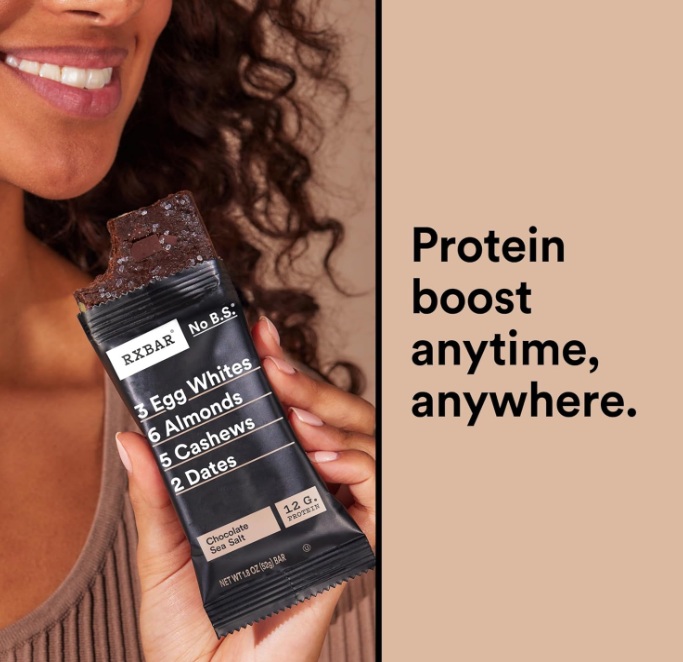
| RXBAR | 12g | ~23g | 210 | Whole-food ingredients |
| Aloha Organic | 14g | ~25g | ~230 | Vegan / organic |
| GoMacro MacroBar | 10–12g | ~30g | ~270 | Endurance recovery |
| KIND Protein | 12g | ~17g | ~250 | Nut-based texture |
| Clif Builders | 20g | ~29g | ~290 | Hard training days |
(Nutrition varies slightly by flavor — figures are for the most popular flavor of each. Formulas change, so always check the current label.)
1. Quest Protein Bar — Best High-Protein, Low-Sugar Pick
- Per bar: ~20g protein, ~190 calories, 1g sugar
- Protein source: Whey and milk protein isolate
If your priority is hitting the 20g+ protein target dietitians recommend after strength training, Quest gets you there without the sugar bomb. Whey isolate is fast-digesting and rich in leucine — the amino acid that triggers muscle protein synthesis — which makes it one of the best protein types you can eat post-workout. The trade-off: it’s a processed bar sweetened with sugar alcohols, which some stomachs don’t love.
Best flavor: Chocolate Chip Cookie Dough.
2. Barebells — Best Taste With Real Recovery Macros
- Per bar: 20g protein, ~200 calories, ~1g sugar
- Protein source: Milk protein blend
Barebells has a cult following for one reason: it tastes like a candy bar while delivering 20g of dairy protein. If the reason you skip post-workout nutrition is that recovery snacks feel like a chore, this is the fix. We covered this brand in depth in our Barebells Protein Bars review.
Best flavor: Cookies & Cream.
3. RXBAR — Best Whole-Food Ingredients
- Per bar: 12g protein, ~23g carbs, 210 calories, no added sugar
- Protein source: Egg whites
RXBAR prints its entire ingredient list on the front of the wrapper — egg whites, dates, and nuts, and that’s about it. The 12g of protein is on the lighter side for a heavy lifting session, but the natural carbs from dates actually make it a smarter recovery choice than many low-carb bars, since they replenish glycogen. Pair it with a glass of milk after big sessions to reach the 20g+ protein zone.
Best flavor: Chocolate Sea Salt. Check price on Amazon.
4. Aloha Organic Protein Bar — Best Vegan Option
- Per bar: 14g protein, ~230 calories
- Protein source: Pea + brown rice protein
Aloha is USDA Organic, plant-based, and sweetened mostly with monk fruit, keeping added sugar low. The pea-and-rice blend forms a complete amino acid profile, and the ~10g of fiber per bar is a bonus for daily nutrition — though if you train fasted, that much fiber right after a workout can sit heavy for some people.
Best flavor: Coconut Chocolate Almond. Check price on Amazon.
5. GoMacro MacroBar — Best for Endurance Athletes
- Per bar: 10–12g protein, ~30g carbs, ~270 calories
- Protein source: Sprouted brown rice + pea protein
GoMacro’s carb-heavy profile is a weakness for pure muscle-building but a strength for endurance recovery. After a long run or ride, your priority is restoring glycogen, and sports nutrition guidelines suggest a roughly 2:1 to 3:1 carb-to-protein ratio for that — which is almost exactly what this bar delivers. Vegan, organic, and gluten-free.
Best flavor: Dark Chocolate + Almonds. Check price on Amazon.
6. KIND Protein — Best Nut-Based Bar
- Per bar: 12g protein, ~250 calories
- Protein source: Nuts + soy protein
KIND’s crunchy, whole-nut texture is the opposite of the fudgy, processed feel of most protein bars. The healthy fats from peanuts and almonds add satiety, making this a good pick when your post-workout snack also needs to hold you over until your next meal. Protein is moderate, so treat it as a snack-plus rather than your full recovery dose after heavy training.
Best flavor: Crunchy Peanut Butter. Check price on Amazon.
7. Clif Builders — Best for Hard Training Days
- Per bar: 20g protein, ~290 calories, ~17g sugar
- Protein source: Soy protein isolate
Builders bars pack 20g of complete plant protein alongside a substantial dose of carbs. The added sugar count looks scary, but in a genuine post-workout context — after a long, glycogen-draining session — fast carbs plus protein is precisely the combination your muscles want. Skip it as a desk snack; use it after your hardest workouts.
Best flavor: Chocolate Mint.
How to Choose the Best Protein Bars for Post-Workout Recovery
Protein amount. Aim for 12g minimum; 20g is better after strength training. Under 10g and you’re eating a snack bar, not a recovery tool.
Protein type. Whey and milk proteins digest fastest and have the highest leucine content. Egg white and soy are strong complete proteins. Pea + rice blends work well for plant-based athletes.
Carbs are not the enemy. After exercise, carbs restore muscle glycogen and help protein do its job. Save the low-carb bars for between meals.
Watch sugar alcohols. Erythritol, maltitol, and heavy fiber additives (like chicory root) cause bloating in some people — a real problem if you train again the same day.
Read the label, not the marketing. “Made with real ingredients” means nothing. A short, recognizable ingredient list does.
Frequently Asked Questions
How soon after a workout should I eat a protein bar?
Within about 30 minutes to 2 hours. The “anabolic window” is less rigid than once believed, but sooner is generally better if your last meal was several hours ago.
How much protein do I need after a workout?
Research generally supports 20–40g of protein post-workout for muscle repair. If your bar only has 12g, pair it with milk, yogurt, or a second protein source.
Are protein bars as good as protein shakes?
Shakes absorb slightly faster and are usually cheaper per gram of protein. Bars win on convenience, chewing satisfaction, and built-in carbs. Both work — consistency matters more than format.
Can I eat a protein bar as a meal replacement?
Most recovery bars are 200–300 calories, which is a snack, not a meal. If you’re replacing a meal, add fruit and a protein source, or choose a 350–400 calorie meal-replacement bar instead.
Bottom Line
For most gym-goers, Quest or Barebells deliver the best protein-per-calorie for recovery. Choose RXBAR or Aloha if ingredient quality is your priority, and GoMacro or Clif Builders if you’re recovering from long endurance sessions. Whichever you pick, a bar is a supplement to real meals — not a replacement for them.
Prices and nutrition facts are accurate as of publication but change frequently — always check the current label. This article contains affiliate links; we may earn a commission at no extra cost to you.